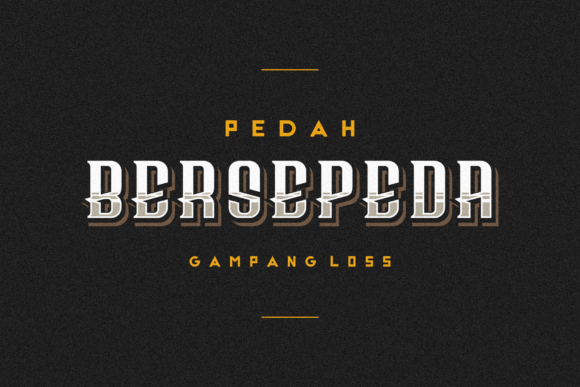
Berkuda Display Font for Handmade Creators
If you’ve ever spent hours tweaking a label, adjusting spacing on a wedding welcome sign, or testing how a font cuts on your Cricut—only to find it looks flat or forgettable—you know how much weight the right display font carries. That’s why I reached for Berkuda the moment I saw it: not just another decorative typeface, but a thoughtfully crafted tool that elevates handmade products without sacrificing clarity or charm.
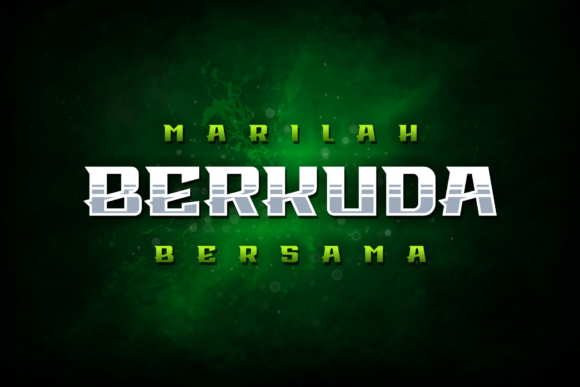
Berkuda has this rare balance—it’s expressive and distinctive, with confident letterforms, subtle contrast, and a warmth that feels hand-drawn yet polished. It’s not overly ornate, so it avoids looking dated or fussy on physical goods. The curves are generous but controlled; the terminals are clean, not sharp. That means it holds up beautifully at small sizes (think 12–16 pt on product tags) and shines boldly at large scale (like 36+ pt on wooden signs or printable wall art). As a display font, it’s built for impact—not body text—but its structure gives it surprising legibility where it counts most: on candle jars, boutique packaging, greeting cards, and digital printables meant to be printed and shared.
I’ve used Berkuda across dozens of real projects—and each time, customers noticed. Not just “Oh, nice font,” but comments like *“That tag feels so premium”* or *“I bought the whole set because the invitation looked like something from a luxury stationer.”* That’s the quiet power of intentional typography: it shapes perceived value before a single word is read.
Here’s where Berkuda truly earns its place in my design toolkit:
- Labels & Tags: Works cleanly on matte kraft stickers, foil-stamped hang tags, and heat-transfer vinyl for tote bags. Its open counters and consistent stroke weight help it cut crisply—even on older Silhouette Cameo models.
- Invitations & Wedding Stationery: Perfect for names, dates, and headings on save-the-dates, menus, and welcome boards. Paired with a light serif (like Playfair Display) or neutral sans (like Montserrat), it adds personality without overwhelming delicate paper textures.
- Digital Printables: Planner covers, quote pages, and seasonal SVG bundles all benefit from Berkuda’s visual confidence. It reads well on screen previews and prints sharply on both home inkjets and professional presses.
- Seasonal & Boutique Packaging: Used it for holiday candle collections (“Spiced Cedar,” “Frosted Pine”) and small-batch soap labels—always paired with a simple supporting font for ingredients or scent notes. The contrast reinforces brand hierarchy.
- Wall Art & Signs: Cut from birch plywood or printed on canvas, Berkuda delivers farmhouse elegance, modern minimalism, or rustic charm depending on layout and color choice. No swashes needed—its inherent rhythm does the work.
Readability matters—especially when your buyer is squinting at a tiny sticker on a lip balm tube or reading a chalkboard sign in natural light. Berkuda avoids tight spacing and overlapping glyphs, which means fewer manual kerning fixes before cutting or printing. I’ve tested it down to 10 pt on glossy sticker stock, and key words (like “Hand-Poured” or “Small Batch”) still read clearly. For longer phrases—say, a short poem on a greeting card—I keep it under 8 words and use generous line spacing. It’s not meant for paragraphs, and that’s okay. A great display font knows its role.
Font pairing is where Berkuda really sings. Try it with:
- A warm, low-contrast sans serif (like Poppins or Quicksand) for friendly, approachable branding—ideal for kids’ activity sheets or café merchandise.
- A refined serif (like Lora or PT Serif) for elevated stationery, wedding suites, or artisanal food packaging.
- A clean monoline script (not too flourished) as an accent—just for initials or a single word like “Est. 2022”—to add handwritten intimacy without competing.
Before downloading, check what’s included: Berkuda comes with standard OpenType features—ligatures, stylistic alternates, and multilingual support covering Western European languages. That’s essential if you sell globally or design bilingual greeting cards. File formats are .OTF and .TTF, compatible with Cricut Design Space, Silhouette Studio, Canva, Adobe Creative Cloud, and Microsoft Office.
One practical note every maker should keep top-of-mind: commercial licensing. Yes, Berkuda is licensed for commercial use—including physical products (mugs, shirts, stickers), digital downloads (PDF templates, SVG files), client work, and even resale in editable design bundles—as long as you’re not reselling the font file itself. Always verify the license terms before listing a product, especially if you’re bundling fonts into Canva templates or selling layered PSD files. It’s a small step that protects your shop—and honors the designer’s craft.
What sets Berkuda apart isn’t just how it looks—it’s how it performs. It doesn’t demand attention; it earns it. Whether you’re laser-cutting a sign for your local farmers’ market stall, designing a printable baby shower kit, or updating your Etsy banner graphics, this display font brings consistency, warmth, and quiet professionalism. It doesn’t shout. It invites. And in a crowded handmade marketplace, that kind of thoughtful presence makes all the difference.